
How to Invest Your Time to Learn a Skill Online

In today's fast-paced digital world, learning a new skill online has never been more accessible. Whether you're aiming to boost your career, pursue a passion, or simply stay competitive, investing your time wisely in online learning can yield tremendous results. But with endless resources available, how do you ensure your efforts lead to real progress? This comprehensive guide explores effective strategies to invest your time in learning a skill online, from setting goals to practical application. By following these steps, you'll maximize your learning efficiency and achieve mastery faster.
Step 1: Choose the Right Skill to Learn
Before diving into online courses or tutorials, it's crucial to select a skill that aligns with your interests, career goals, and market demand. Ask yourself: What problem does this skill solve? Is it in high demand, like coding, digital marketing, or graphic design? Research trending skills on platforms like LinkedIn or Google Trends to ensure your investment pays off.
Start by assessing your current abilities and identifying gaps. For instance, if you're in marketing, learning SEO or content creation could be a game-changer. Avoid jumping into trendy skills without passion, as motivation wanes quickly without genuine interest.

Step 2: Set Clear, Achievable Goals
Effective time investment begins with SMART goals—Specific, Measurable, Achievable, Relevant, and Time-bound. Instead of vaguely saying, "I want to learn Python," aim for "Complete a beginner Python course on Coursera and build a simple project in 4 weeks."
Break down your goals into milestones. For example:
- Week 1: Understand basics and syntax.
- Week 2: Practice loops and functions.
- Week 3: Work on mini-projects.
- Week 4: Review and apply to a real-world task.
This structured approach keeps you accountable and prevents overwhelm, ensuring steady progress in your online skill acquisition.
Step 3: Master Time Management Techniques

Time is your most valuable asset when learning online. Without proper management, distractions can derail your efforts. Use techniques like the Pomodoro method: Study for 25 minutes, then take a 5-minute break. Tools such as Toggl or Focus@Will can track your sessions and boost productivity.
Schedule dedicated learning slots in your calendar, treating them like important meetings. Aim for consistency—30 minutes daily is better than sporadic 3-hour sessions. Eliminate distractions by using apps like Freedom to block social media during study time.
Prioritize deep work over multitasking. Research shows that focused, uninterrupted sessions lead to better retention and faster skill mastery.
Step 4: Select High-Quality Online Resources
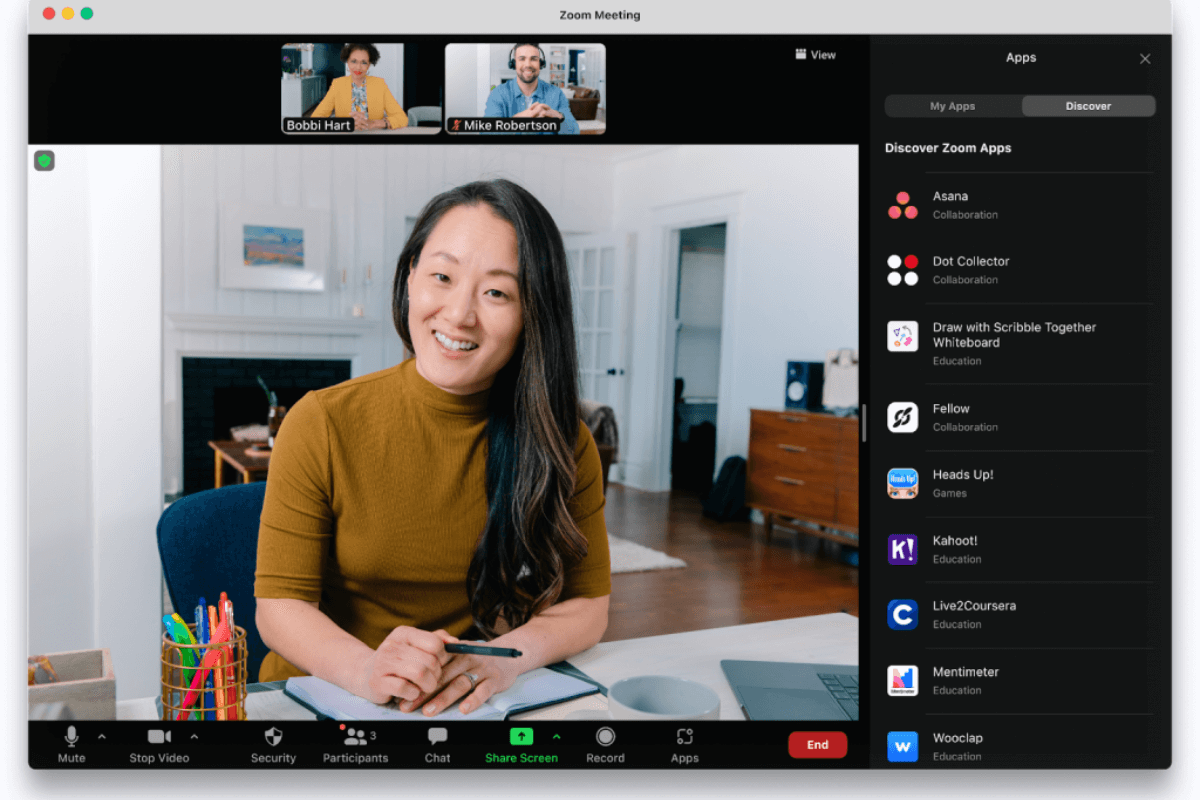
The internet is flooded with learning platforms, so choose wisely to invest your time effectively. Reputable sites include:
- Coursera and edX: For university-backed courses with certifications.
- Udemy and Skillshare: Affordable, practical tutorials on diverse skills.
- Khan Academy and YouTube: Free resources for beginners.
- freeCodeCamp or Duolingo: Interactive, hands-on learning for coding or languages.
Look for courses with high ratings, updated content, and community forums. Combine structured courses with blogs, podcasts, and forums like Reddit's r/learnprogramming for deeper insights.
Start with free trials to test the waters, ensuring the resource matches your learning style—whether visual, auditory, or kinesthetic.
Step 5: Emphasize Practice and Application

Theory alone won't build skills; practice is key to solidifying knowledge. After learning a concept, apply it immediately. For example, if studying web design, build a personal portfolio site using tools like WordPress or HTML/CSS.
Engage in projects, challenges, or freelancing gigs on platforms like Upwork or GitHub. Join online communities such as Stack Overflow or Discord groups to get feedback and collaborate.
Deliberate practice—focusing on weak areas—accelerates growth. Track your practice hours; experts suggest 10,000 hours for mastery, but even 20 hours of targeted practice can yield beginner proficiency.
Step 6: Track Progress and Adjust
Regularly evaluate your advancement to ensure your time investment is effective. Use journals or apps like Notion to log what you've learned, challenges faced, and wins achieved.
If progress stalls, reassess: Is the resource unsuitable? Adjust your schedule or seek mentorship via online forums. Celebrate small victories to maintain motivation.
Stay adaptable—online learning evolves, so update your approach with new tools or methods.
Step 7: Overcome Common Challenges
Learning online isn't without hurdles. Combat procrastination by starting small and building habits. Deal with information overload by curating a focused learning path.
If motivation dips, remind yourself of your "why"—the career boost or personal fulfillment. Connect with accountability partners through online study groups.
Finally, prioritize work-life balance to avoid burnout, ensuring sustainable long-term learning.
Conclusion: Make Your Time Count in Online Learning
Investing your time to learn a skill online is a powerful way to future-proof your abilities. By choosing the right skill, setting goals, managing time, selecting resources, practicing diligently, tracking progress, and overcoming challenges, you'll transform your efforts into tangible expertise. Start today—consistent, strategic investment will lead to rewarding outcomes. Remember, the key to success is not just learning, but applying what you've learned in real-world scenarios.
Ready to begin? Pick one skill, set your first goal, and dive in. Your future self will thank you for this smart time investment in online skill development.